Natural disasters can cause enormous damage, sometimes in excess of billions of dollars. The toll is often measured in financial and human cost. However, with good planning and quick response, the ultimate cost of a disaster can be mitigated. So, what is the best way to mitigate the effects of a natural disaster? There are steps that people and corporations can take to maximize mitigation and minimize impact. Below are some of the most effective ways to keep yourself and your property safe during a disaster.
The best mitigation technique is preparation. Keep in mind the following practices:
It is estimated that for every dollar spent on mitigation, three dollars are saved. For example, in 1999, the Red River in Grand Forks, North Dakota flooded and caused over $3.5 billion in damage. This caused the state government to institute mitigation techniques to avoid a similar situation in the future. As a result, when the Red River flooded again in 2006, the cost of total damages was held to under $7 million.
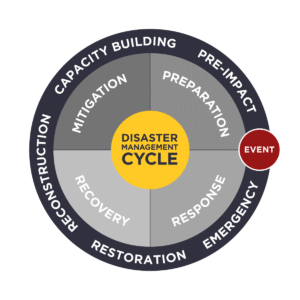
Aside from cost savings, effective mitigation has long-lasting effects on the community. By preparing ahead of time, it is possible to avoid service disruptions in schools and businesses. Thus, being prepared not only helps ensure that things will quickly return to normal, it also protects against lapses in income or salaries.
For more examples of mitigation best practices, please visit this fact sheet from FEMA.
Maintaining a safe infrastructure in the wake of a natural disaster is also tantamount to keeping things running like normal. U.S. Bridge has most recently worked in Puerto Rico, installing bridges in areas where Hurricane Maria destroyed massive amounts of infrastructure. To find out more about U.S. Bridge, please contact us today.
Select a region or search by state to find your U.S. Bridge contact.