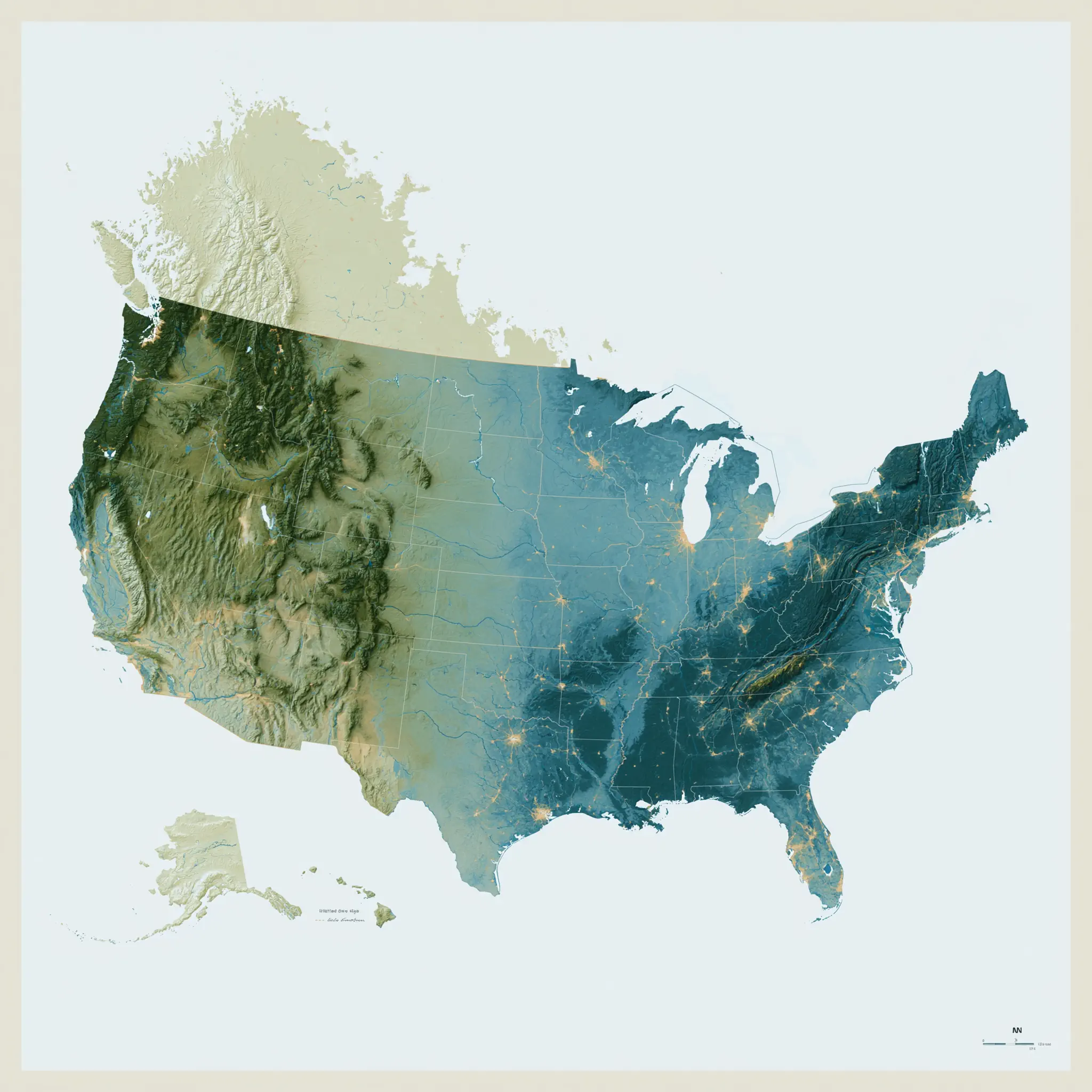
Artificial intelligence (AI) is transforming industries across the globe. From automating administrative tasks to changing the way we analyze data, technology is revolutionizing how we work. But according to Goldman Sachs, not all sectors are equally vulnerable to AI-driven disruption. In fact, the construction industry stands out as one of the least at-risk fields in today’s workforce.
In this article, we’ll explore why construction jobs are low-risk in the age of AI, the implications for skilled trade workers, and how companies like U.S. Bridge are supporting this resilient sector.
There are several reasons why construction jobs are far less susceptible to AI disruption:
As the U.S. invests in modernizing its infrastructure, the need for skilled workers in construction and related trades continues to rise. Welding, carpentry, heavy equipment operation, and construction management roles are among the most stable and in-demand careers today.
At U.S. Bridge, we see firsthand how crucial skilled professionals are to building and maintaining the nation’s infrastructure. Our projects from prefabricated bridge designs to large-scale transportation networks depend on trained, knowledgeable workers who deliver quality and resilience.
Build Your Career in Bridge Construction
If you’re looking for a career that offers hands-on experience, strong earning potential, and the chance to build something lasting, vocational jobs in construction are an excellent choice. As America continues to invest in infrastructure, these careers will remain at the core of progress.Whether making bridge repairs or constructing new structures, U.S. Bridge provides comprehensive and high-quality service that is friendly and time-efficient. As industry leaders and pioneers in several construction industry firsts, we know the importance of top-of-the-line materials, unique and reliable designs, and the industry’s top engineers.
Interested in learning more about how skilled trades support bridge building? Visit U.S. Bridge to explore our projects and discover how vocational careers shape the future of infrastructure.
Select a region or search by state to find your U.S. Bridge contact.